Wednesday, 19 August 2020

Contactless Smart Infrared Thermometer using Arduino and Android App


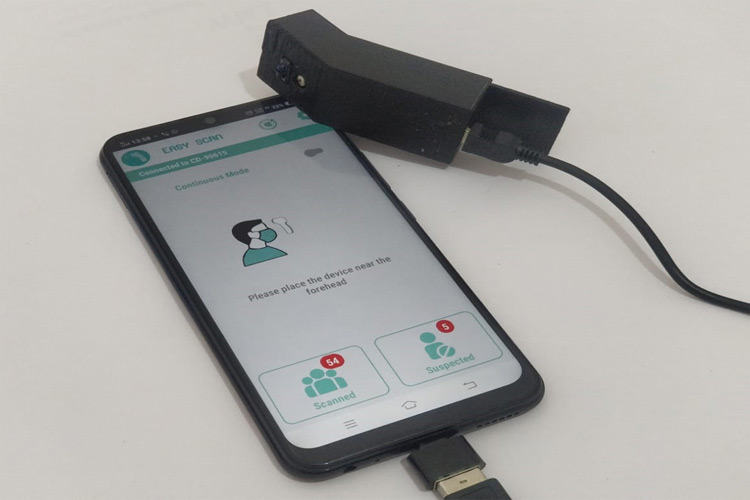
In this article we explain designing a Low cost, Easy to build Contactless Thermometer that can measure body temperature, log them into an excel along with the picture of the individuals so that the record can be easily shared with concerned authorities. 

We can create a simple Android application that can communicate with our thermometer and perform other activities like data logging and image capture. This way we can not only make it work faster but can also increase its potential application by instantaneously sharing log results with pictures on WhatsApp, Gmail, or any other preferred platform. This is why we created our Android application called “Easy Scan” which is open-sourced and the APK is also free to download, more on this later. So the only material required for this project are as below:

You can check out the link below for the complete DIY project for this handheld thermometer.

Watch the video below to understand more how this thermometer works:


For similar interesting projects, please see the links below:

Thursday, 4 June 2020

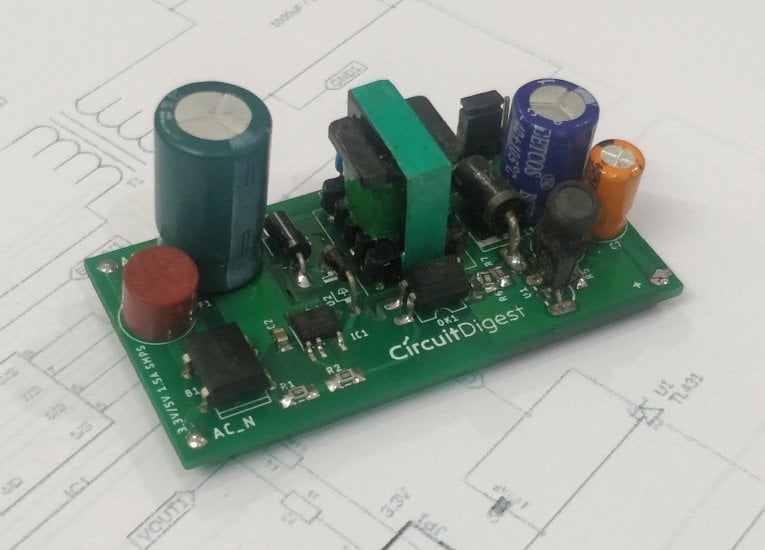
Design your own Compact 5V/3.3V SMPS Circuit for Embedded and IoT Projects


Here we will build a SMPS that can be used for general purposes and has a simple module shape to be used in space-related situations. Nowadays, the Internet of Things uses various wifi-based processors like NodeMCU, ESP32, and ESP12E, etc. which operate on 5V or 3.3V. These modules are highly compact and hence to power these boards, it makes sense to use smaller SMPS circuits that can go on the same board, instead of using a separate SMPS circuit. Hence in this article, we will learn how to build a SMPS circuit that can either output 5V or 3.3V (hardware configurable using jumper), the circuit design and PCB layout is also provided, so you can simply port this into your existing design. Here our PCB boards are manufactured by PCBGoGo, a china based low cost high quality PCB prototype and PCB assembly service company.

Thursday, 9 April 2020

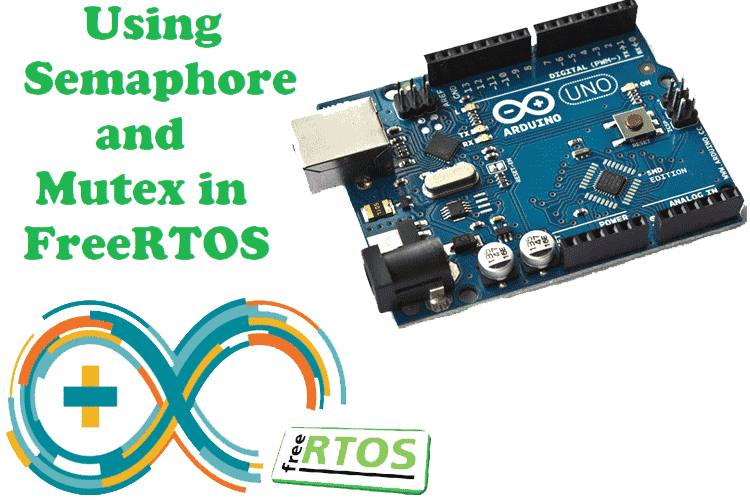
How to Use Semaphore and Mutex in FreeRTOS with Arduino

Semaphore and Mutex in FreeRTOS with Arduino


In previous tutorials, we have covered the basics of FreeRTOS with Arduino and the Queue kernel object in FreeRTOS Arduino. Now, in this third FreeRTOS tutorial, we will learn more about FreeRTOS and its advance APIs, which can make you understand the multi-tasking platform more deeply.

Semaphore and Mutex (Mutual Exclusion) are the kernel objects that are used for synchronization, resource management and protecting resources from corruption. In the first half of this tutorial, we will see the idea behind Semaphore, how and where to use it. In the second half, we will continue with Mutex. Read the complete tutorial

Wednesday, 8 April 2020

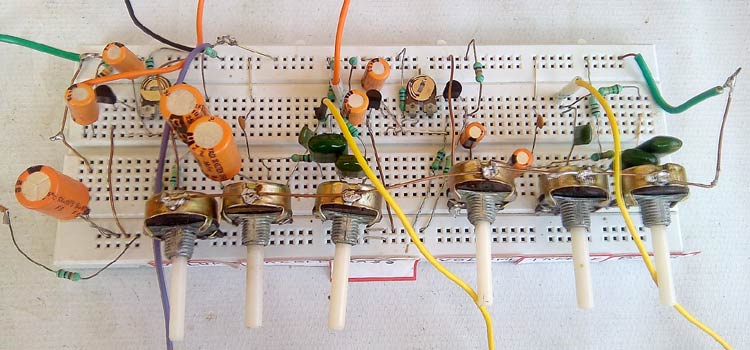
Stereo Audio Pre-Amplifier Circuit with Bass and Treble Control using Transistors

Stereo Audio Pre-Amplifier Circuit using Transistor

The use of an audio pre-amplifier ensures good audio quality and provides options to modify our sound system by using this as a primary audio circuit/device before feeding the audio signal to your amplifier/subwoofer/home theatre system. Also, we can control bass and treble for different songs and get a wide range of control over our audio system. This type of circuit that provides Bass and Treble control is also known as a BT Circuit Board. In this article, we will build a stereo pre-amplifier circuit with bass and treble control.


For more circuits, visit: Electronics Circuits

Thursday, 26 March 2020

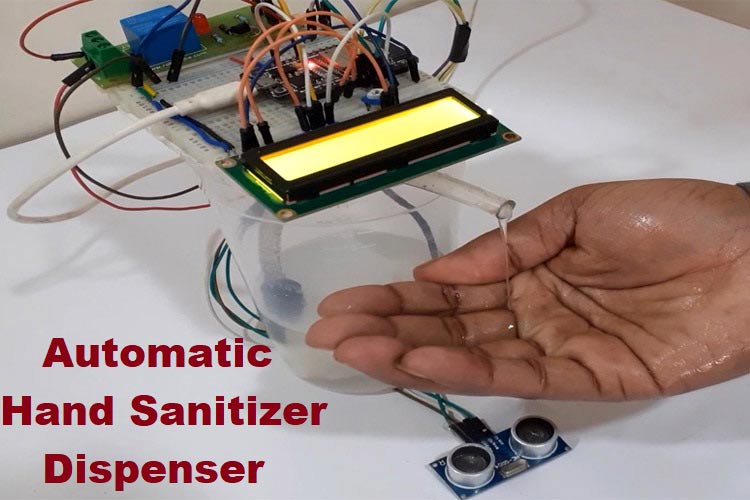
DIY Automatic Hand Sanitizer Dispenser


In this project, we will build an Auto Hand Sanitizer Dispenser with an LCD which also shows the live count of Coronavirus cases. This project will use ESP32, Ultrasonic Sensor, 16x2 LCD Module, Water pump, and Hand Sanitizer. We are using Esri’s API Explorer to get the live data of Covid19 infected people. An ultrasonic sensor is used to check the presence of hands below the outlet of the sanitizer machine. It will continuously calculate the distance between the sanitizer outlet and itself and tells the ESP to turn on the pump whenever the distance is less than 15cm to push the sanitizer out.

Watch the video below for the working of this automatic hand sanitizer dispenser.


For the full project tutorial, visit: CircuitDigest.com

Sunday, 24 November 2019

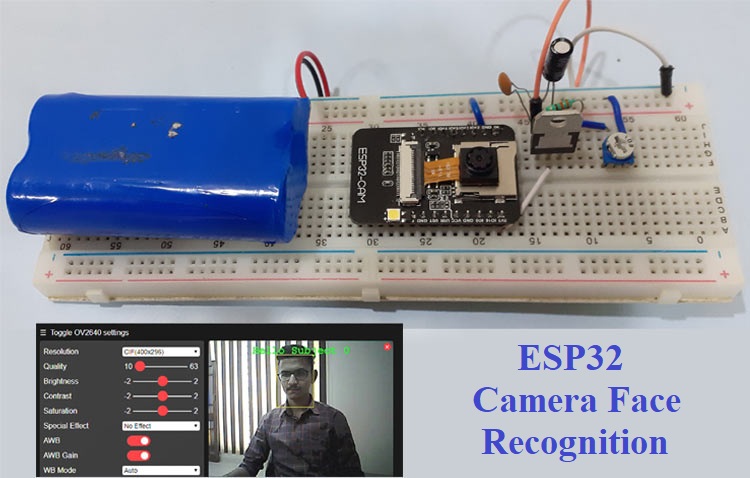
ESP32 Camera Module for Video Streaming and Face Recognition

In this project a Face Recognition System is build using ESP32-CAM which can also be used as an ESP32-CAM Security system by recognizing the face of unauthorized persons. ESP32-CAM is a very small camera module with the ESP32-S chip which makes it easier to build a face recognition system without using any complex programming and any extra components.

ESP32 Camera Face Recognition

Watch the video below for a full demonstration of this ESP32-CAM security system:


View the full project article on Circuit Digest