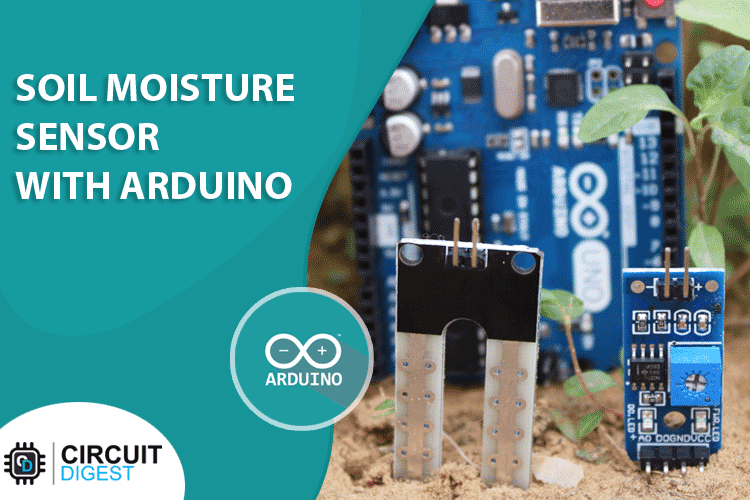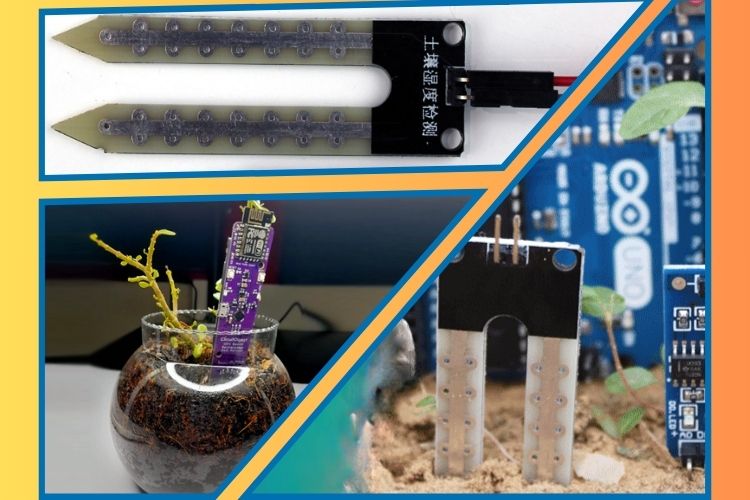
Maintaining optimal soil moisture levels is essential for healthy plant growth. However, accurately determining water needs can be challenging, especially with diverse plant collections or varying water requirements. Soil moisture sensors offer a reliable solution for monitoring soil hydration, aiding growers in proper irrigation practices. In this article, we'll explore soil moisture sensors, covering their functionality, applications with Arduino and IoT technology, and integration into various circuits and systems.
Benefits of Utilizing Soil Moisture Sensors:
Prevents Overwatering: Overwatering, a common mistake, can lead to root rot and plant diseases. Sensors help target watering only when necessary, preventing detrimental effects and promoting healthy growth.
Optimizes Plant Growth: By providing the correct water amount, sensors ensure optimal conditions for plant health and growth. They can also assist in identifying areas prone to drying out or retaining excessive moisture.
Enhances Efficiency and Sustainability: By watering only when the soil demands it, sensors offer time and water conservation benefits, particularly valuable for busy individuals and those prioritizing eco-friendly practices.
How to Use Soil Sensor with Arduino:
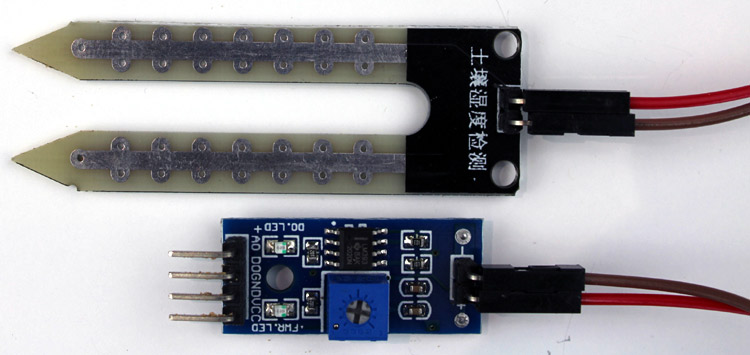
Soil moisture sensors measure the water content in soil by detecting changes in electrical conductivity. This is achieved through probes inserted into the soil, which measure the resistance between them. As soil moisture increases, the conductivity rises, resulting in a decrease in resistance. This change is then translated into data that can be read by microcontrollers like Arduino. By connecting soil moisture sensors to Arduino, users can automate irrigation systems based on real-time soil moisture readings, ensuring optimal water usage for plant growth.
Smart Water Quality Monitoring System Using IoT:
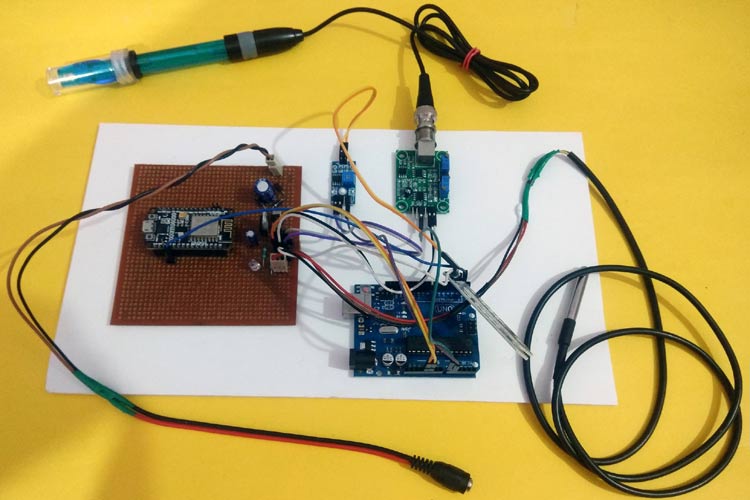
Integrating soil moisture sensors with IoT technology enables real-time monitoring of soil moisture levels and water quality factors such as pH and conductivity. This allows for comprehensive data collection and analysis, facilitating informed decision-making in irrigation practices. By utilizing IoT-based smart water quality monitoring systems, users can optimize water usage, prevent overwatering, and promote sustainable agricultural practices.
Simple Soil Moisture Detector Circuit:
For those looking for a basic and cost-effective solution, a simple soil moisture detector circuit can be constructed using basic electronic components. This circuit measures the electrical conductivity of the soil and provides a visual indication, such as an LED turning on or off, to alert users to the need for watering. While offering limited functionalities, this DIY approach can serve as a valuable tool for basic soil moisture monitoring and learning purposes.
Soil Moisture Sensor and ESP8266 NodeMCU:
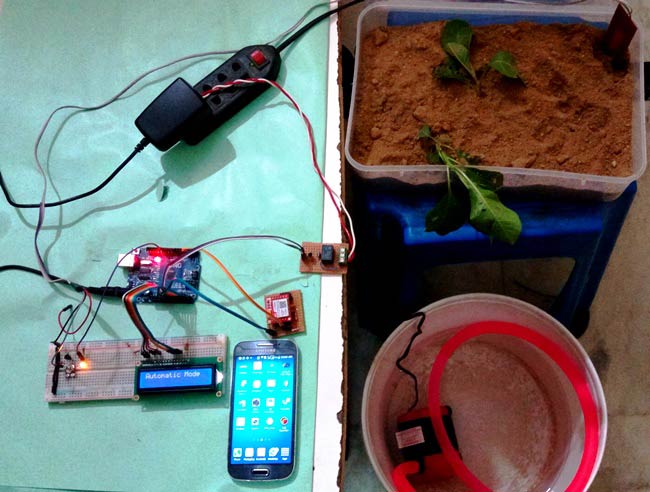
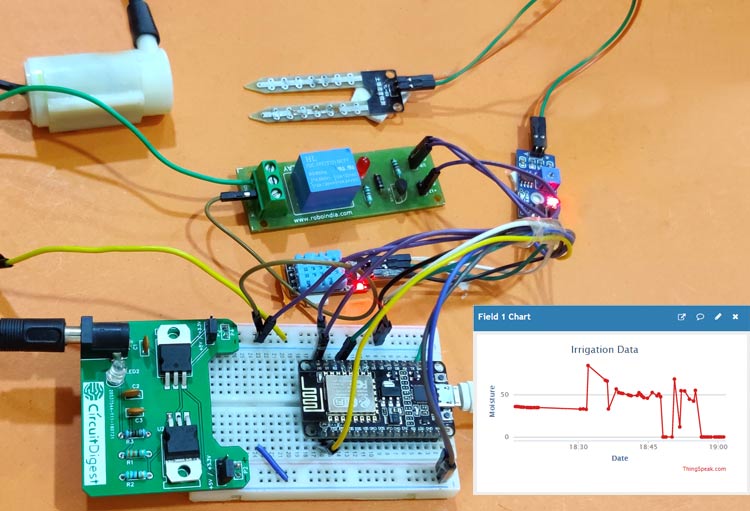
The integration of soil moisture sensors with microcontrollers like ESP8266 NodeMCU enables the creation of smart irrigation systems that automate watering based on real-time sensor readings. This approach optimizes water usage and minimizes manual intervention, promoting sustainable irrigation practices. By leveraging the power of IoT technology, users can remotely monitor soil moisture levels and adjust irrigation schedules as needed, leading to improved plant health and resource management.
Low Power IoT-Based Compact Soil Moisture Monitoring Device:
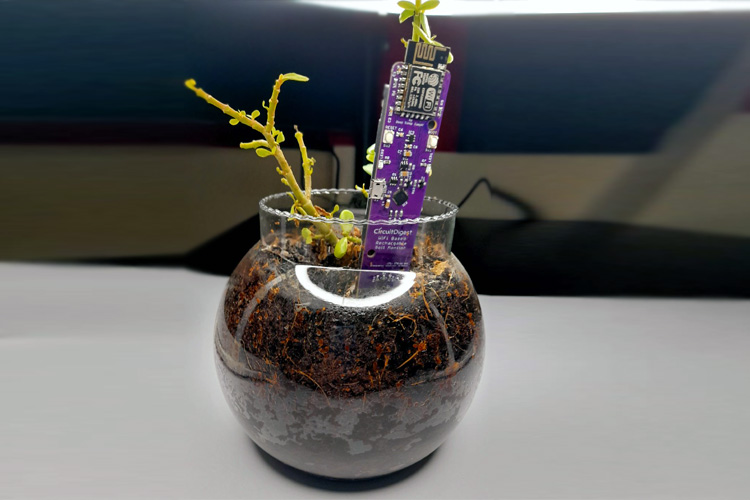
In remote or outdoor locations where power sources may be limited, low-power IoT-based compact soil moisture monitoring devices offer an efficient solution. These devices utilize IoT technology to enable easy deployment and data transmission with minimal power consumption. By providing accurate and timely soil moisture data, these devices contribute to informed decision-making in agricultural and environmental management, even in challenging environments.
Conclusion:
Soil moisture sensors are invaluable tools for monitoring soil hydration levels and optimizing water usage in various applications, from agriculture to environmental management. By understanding how these sensors work and exploring their diverse applications with Arduino and IoT technology, users can harness their potential to improve plant health, conserve water resources, and promote sustainable practices in soil management.